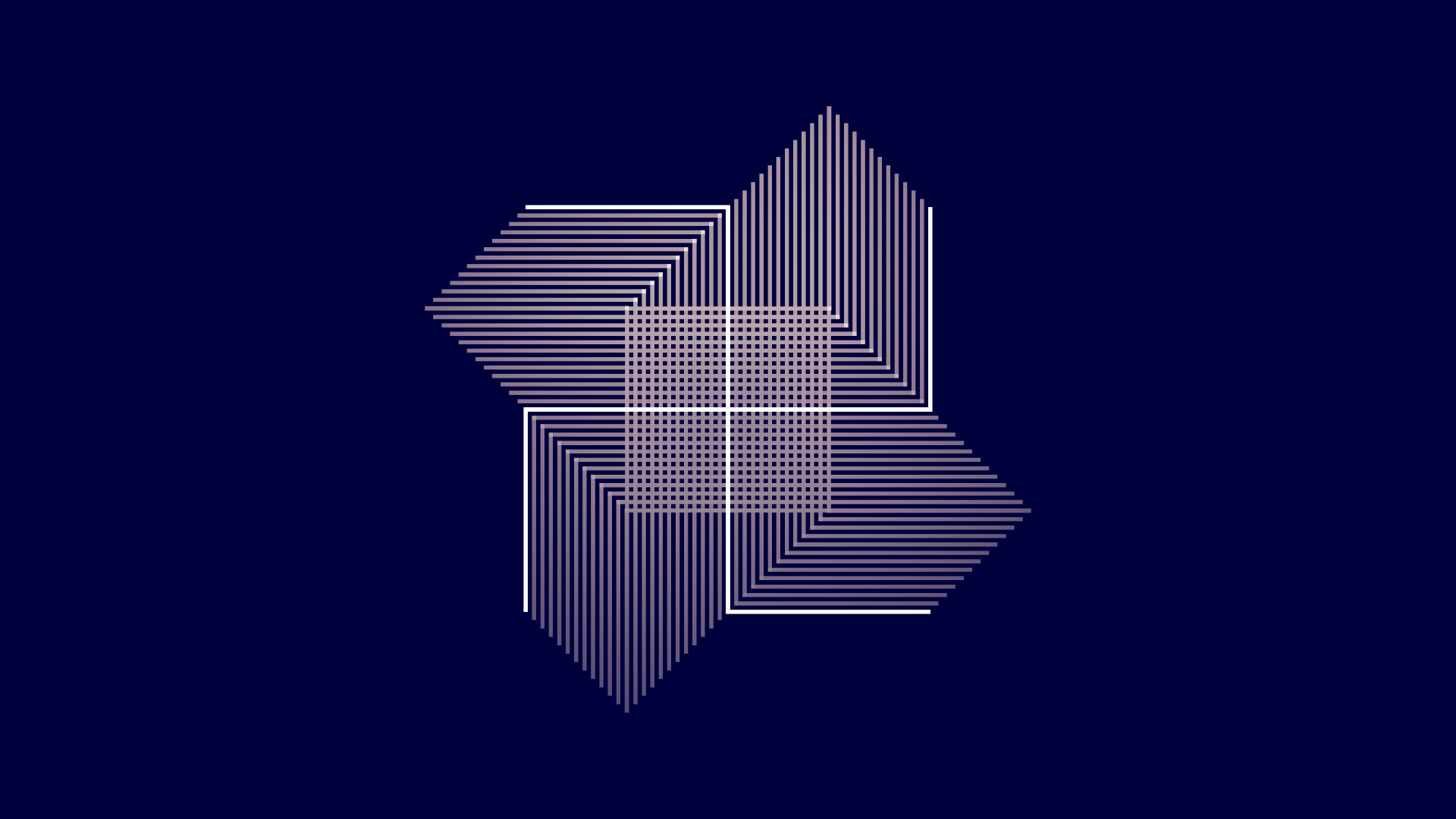
Swastika unit and whole Field

2D representation of the swastika transforming itself.
This is the fundamental movement which causes the field to fluctuate. It is a cubic field so in reality it is much more complex transformation. But this is the simplest form. Broken down to 2D and just one swastika in one direction.
This is how the angles that compose one swastika move.
It is only one swastika that is highlighted but the whole field is composed of the same angles moving unidirectional in a diagonal vector. So the angles are combining into swastika and MBG in a never ending cycle.

Dynamic geometry.

From one single dot (0 D) to a cubic structure (3 D). By starting with the function of pi through to Phi and then the swastika and continuing to the cubic unit with 3 planes intersecting.
Showing how to build the field from one single point. This is just one unit but all are constructed the same. From one single dot (0 D) to a cubic structure (3 D). By starting with the function of pi through to Phi and then the swastika and continuing to the cubic unit with 3 planes intersecting.

Geometric transformation from the swastika to the Master builder’s grid.

Fundamental part of one cubic unit.

One cubic unit consist of 3 planes intersecting at 90 degrees. Each plane consists of two opposite swastika. This is the transformation of each single swastika..
The swastika transforming to the structure which I call ”Master builder’s grid” (MBG) after the work of Rene Schwaller de Lubicz. But it do not stop there, the angles do not travel back and forth but their movement is unidirectional. But when they have reached the MBG they are now part of a new swastika with other angles that are moving in from all other directions. So as the angles travel in a straight line they combine and recombine into swastika/MBG/swastika/MBG in infinity. Like the computer language of 0/1.
One cubic unit consist of 3 planes intersecting at 90 degrees. Each plane consists of two opposite swastika.
Creating the 1:2 angle from the function of Pi.
Starting with a dot and from there drawing a line by which you make a circle, that first line is the radius of the circle. then you a draw a line through the circle and make the diameter. These two lines meeting at their ends make the 1:2 angle. Creating the 1:2 angle from the function of Pi.